How I Used ChatGPT and Gamma to Audit 90 Days of Content and Build My Q4 Calendar (The Exact Prompt)
Nyaradzo
September 25, 2026
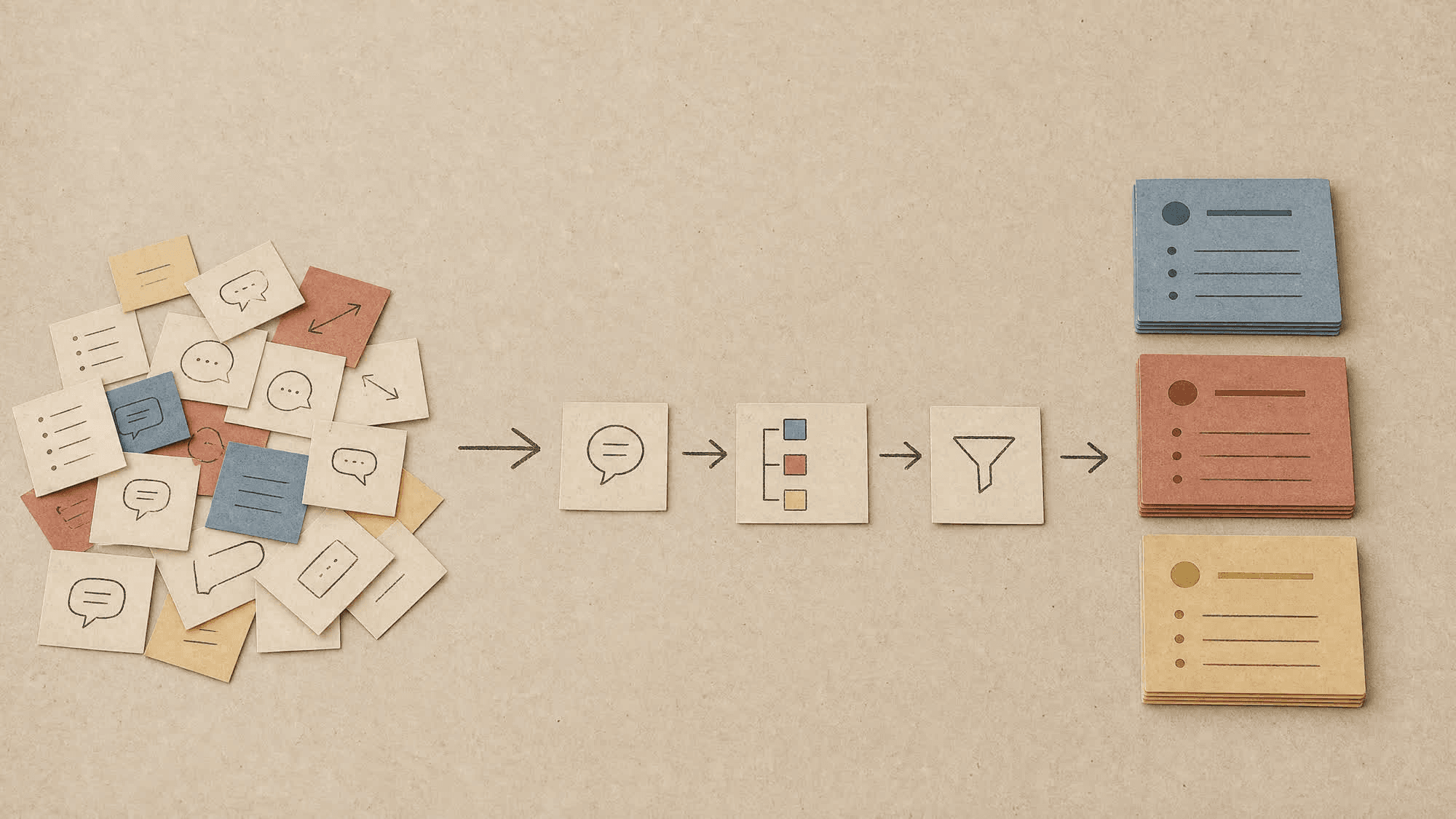
You came here from Instagram, so let's skip the warm-up. Below is the exact prompt I used to have ChatGPT audit my last 90 days of content and build my Q4 content calendar in Gamma, plus the setup steps and what it found. Copy what you need.
Why I did this
So far this year I've made $600K working with brands, conferences, and people one on one. Content wise, Q3 was my worst quarter of the year.
I was abroad studying AI at Oxford and using my free time to eat my way through Europe. I posted, but the quality wasn't doing what it needed to do.
Now we're in the last quarter of the year, and I've decided this is going to be my strongest content quarter of all time. Not by posting more. By actually knowing what works and building a plan around it.
Here's what I did.
Step 1: Connect Gamma to ChatGPT
Open ChatGPT, go to Settings, then Connectors, and connect Gamma. It takes about thirty seconds.
While you're in there, make sure Computer Use is enabled too. The prompt below needs it, because it reads your live Instagram Insights instead of guessing from a screenshot.
Then log into Instagram in the browser ChatGPT is using so it can actually see your account.
Step 2: Run the audit
This is the prompt. Replace the bracketed details, paste it, and let it work. It will pause if Instagram asks you to verify a login, so keep an eye on it for the first couple of minutes.
Act as my Instagram content analyst and strategist.

Analyze my last 90 days of Instagram content from scratch, then create a Gamma presentation explaining the findings and my content strategy for the upcoming quarter.

My Instagram: [@handle]
My business, audience, and offers: [brief description]
My goals for next quarter: [audience growth, sales, memberships, partnerships, etc.]
My production capacity: [hours per week, team support, constraints]

DATA COLLECTION

Use Computer Use to inspect my live Instagram account, including Insights, individual posts, captions, and audience comments. Do not use pre-existing exports, local reports, or previous analyses.

If login or verification is required, pause and let me complete it.

Establish the exact 90-day publication window. Review every post in that window when feasible. Clearly state the number reviewed, any sampling, and missing data. Exclude older pinned posts from the period's post comparisons.

For each post, capture available metrics such as Instagram views/reach, saves, shares, comments, and attributed follows. Record its date, format, topic, hook, CTA, and whether it is promotional or sponsored.

Separate Instagram from Facebook results when possible. Separate promoted and unpromoted content. Account for unequal post ages, and do not treat lifetime metrics as equal-age comparisons.

Read comments across strong, typical, and weak performers. Distinguish genuine questions and requests from prompted keyword comments, generic praise, and creator replies. Do not treat keyword comments as unique leads or sales.

ANALYSIS

Tell me:
1. What is working consistently, and why?
2. What is underperforming or receiving too much space?
3. What am I posting too little of?
4. What is my audience explicitly asking me to create?
5. What demand can reasonably be inferred from behavior?
6. What do my strongest posts have in common?
7. Which content supports discovery, trust, conversion, or relationships?

Use medians, rates, and repeated patterns where appropriate, not just total views or isolated viral posts. Separate observed findings from hypotheses. Include specific post examples and source links.

Do not invent unavailable metrics, audience characteristics, retention data, sales results, or causal explanations. Clearly flag limitations, including inaccessible Stories or DMs.

QUARTERLY STRATEGY

Translate the findings into:
- Content pillars and a proposed allocation.
- Recurring series with concrete examples.
- Weekly posting frequency, formats, days, and times.
- Stories and Live recommendations.
- A month-by-month plan.
- A dated calendar for the first two full weeks.
- Guidance for hooks, structure, demonstrations, and CTAs.
- An appropriate path into my offers and room for partnerships.
- A sustainable production routine.
- A measurement scorecard and prioritized experiments.

Label posting times and other unproven recommendations as tests. Base the plan on my goals and capacity. Ask only essential questions; otherwise label your assumptions.

GAMMA DELIVERABLE

Create the actual presentation in my connected Gamma account, not just an outline. Use approximately 15 to 20 slides covering the evidence, key findings, strategy, calendar, and measurement plan.

Use readable tables, concise takeaways, and relevant source links. Avoid invented imagery or screenshots. Clearly distinguish historical results from proposed targets and tests.

Review the finished deck for accuracy, completeness, and readability. Fix clipped text or oversized graphics, then provide the Gamma link and a short summary of the biggest recommended changes.

Do not publish Instagram content, send messages, or change my account settings.
A few things in that prompt are doing more work than they look like:
"From scratch" and "do not use pre-existing exports." Without this, ChatGPT will happily summarize whatever it remembers about you from past chats and call it an audit.
"Do not treat keyword comments as unique leads." If you run comment-to-DM automations, half your comments are people typing one word. That is not engagement data. The prompt knows the difference.
"Separate observed findings from hypotheses." This is the line that keeps it honest. You get what the numbers show, then what it thinks, clearly labeled.
"Create the actual presentation, not just an outline." Otherwise you get a bulleted list in the chat and have to build the deck yourself.
What it told me
My best posts are the ones where I show a system nobody's shown before.
Not tips. Not hot takes. A specific workflow, on screen, that someone can copy. In a world of a hundred AI gurus, nobody needs to see the same thing a dozen times. They need to see the thing they haven't seen.
It also flagged what I was giving too much space to and what I was barely posting at all, with the post links to prove it. Some of that stung. All of it was correct.
Step 3: Build the calendar
The prompt above already asks for the deck, so if you run it as written you get both in one pass. If you ran the audit first and want to build the calendar separately, this is the follow-up I used:
Take that audit, plus everything you already know about me and my goals, and build me a Q4 content calendar in Gamma. Pillars, weekly cadence, hooks, and a plan for every week of the quarter.And this is what it made. Pillars, weekly cadence, hooks, every single week of Q4. I never left ChatGPT once.
Why a deck and not a chat
Now I have an asset I can go through week by week for the rest of the year, rather than a chat I most definitely will lose track of.
That is the whole reason for the Gamma connector. A chat is where thinking happens. A deck is where the plan lives. If you have ever built a great strategy in ChatGPT and then never opened that conversation again, you already know the difference.
Watch the full tutorial
I filmed the full walkthrough of connecting Gamma, running the audit, reading the findings, and building the calendar. That video lives inside my Skool community, where the full tutorial for creating your own AI content strategist is:
Watch the full tutorial in SkoolGamma is free to try. This post was made in partnership with Gamma, and the link above is my partner link. I use it every quarter regardless.
What to do this week
- Connect Gamma in ChatGPT connectors and enable Computer Use.
- Log into Instagram in ChatGPT's browser.
- Run the audit prompt with your details filled in.
- Read the findings before you read the plan. The findings are the part you will want to argue with.
- Open the deck every Monday for the rest of the quarter.
I'm Naya, a self-taught engineer building things with AI in public. If this was useful, the newsletter goes deeper every week: Disgustingly Ambitious.