How I Train My AI to Do Work Exceedingly Well
Nyaradzo
November 22, 2026
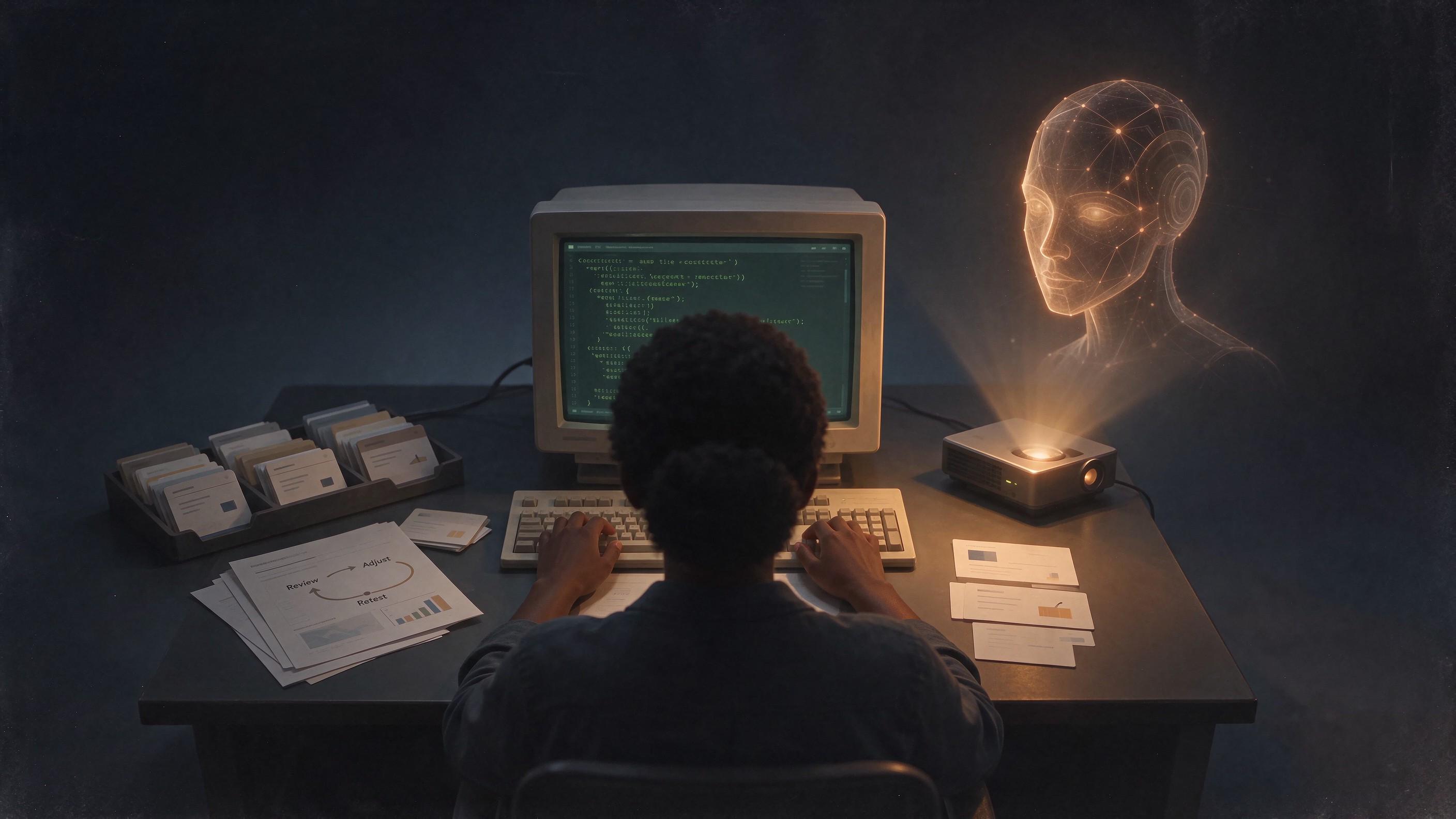
My first AI-edited video took two full days to get right. The tenth took about two hours. Nothing about the editing task got easier in that time. What changed was that the AI stopped starting from zero every time, because I had taught it a standard instead of just giving it a task.
That difference, task versus standard, is the whole post. Here is how I actually do it.
Show it excellent work, not an abstract description
The biggest mistake I see people make is trying to describe quality in words. "Make it punchy." "Match my voice." "Keep the pacing tight." None of that means anything to a model until it has something concrete to point at.
For editing, I did not write a style guide. I handed the bot a batch of my past videos and had it study them directly: fonts, pacing, subtitle timing, graphics, where the cuts land. For writing, I do the opposite of what people expect. I do not ask AI to invent my voice from a blank page. I write a raw brain dump first, in my own words, messy and unfiltered, and then use AI to refine that. The voice has to come from me. The refining is what AI is good at.
Same idea, two directions: feed it my real material and let it study, or feed it my real words and let it polish. Either way, the starting point is something I actually made, not a description of what I want.
Teach by correction, one thing at a time
Once the AI produces a first attempt, I do not rewrite the whole thing. I correct one specific detail, see if it lands, and move to the next.
When I was training a bot to build carousels, I started with a template and a baseline attempt, then corrected one concrete thing: font size was off, so I said so. Title placement was wrong, so I said so. Spacing was cramped, so I said so. Each time, I had it redo the work with just that correction and checked the result before moving on.
For video editing, the order was deliberate too. Voiceover pacing came first, before I ever let it touch clip selection. Trying to fix five things in one pass just means the model guesses at which correction mattered, and half the time it changes the wrong thing.
Save what it learned
The step people skip is the one that actually compounds. After a correction works, I tell the bot to save what it learned to its knowledge base, or to update its skill set. Not "remember this for the rest of the chat." An instruction that survives past this session.
Without that step, every new video starts the correction process over from the first mistake. With it, the font-size fix from three sessions ago is still active today, and I am only ever teaching it the next new thing, never re-teaching the last one. That is the entire reason the second edit took two hours instead of two days. The first session paid down the debt. Every session after that only had to add to it.
Give it your judgment, not just your assets
Files and footage are not enough. The model also needs the opinions that sit behind your decisions, the stuff you would never think to write down because it feels obvious to you.
For a research bot, "viral" is not viral until I defined it: engagement relative to follower count, not raw numbers, and nothing from a paid partnership counts, because that engagement is bought, not earned. For a scripting bot, I did not just hand over writing rules. I gave it access to my meeting notes and daily brain dumps, so scripts pull from things that actually happened to me instead of generic advice that could have come from anyone.
This is the part that is genuinely hard to delegate, because it requires you to notice your own standards. If you have never had to explain why something is good, training an AI to do it will force you to figure that out for the first time.
Break the job into roles
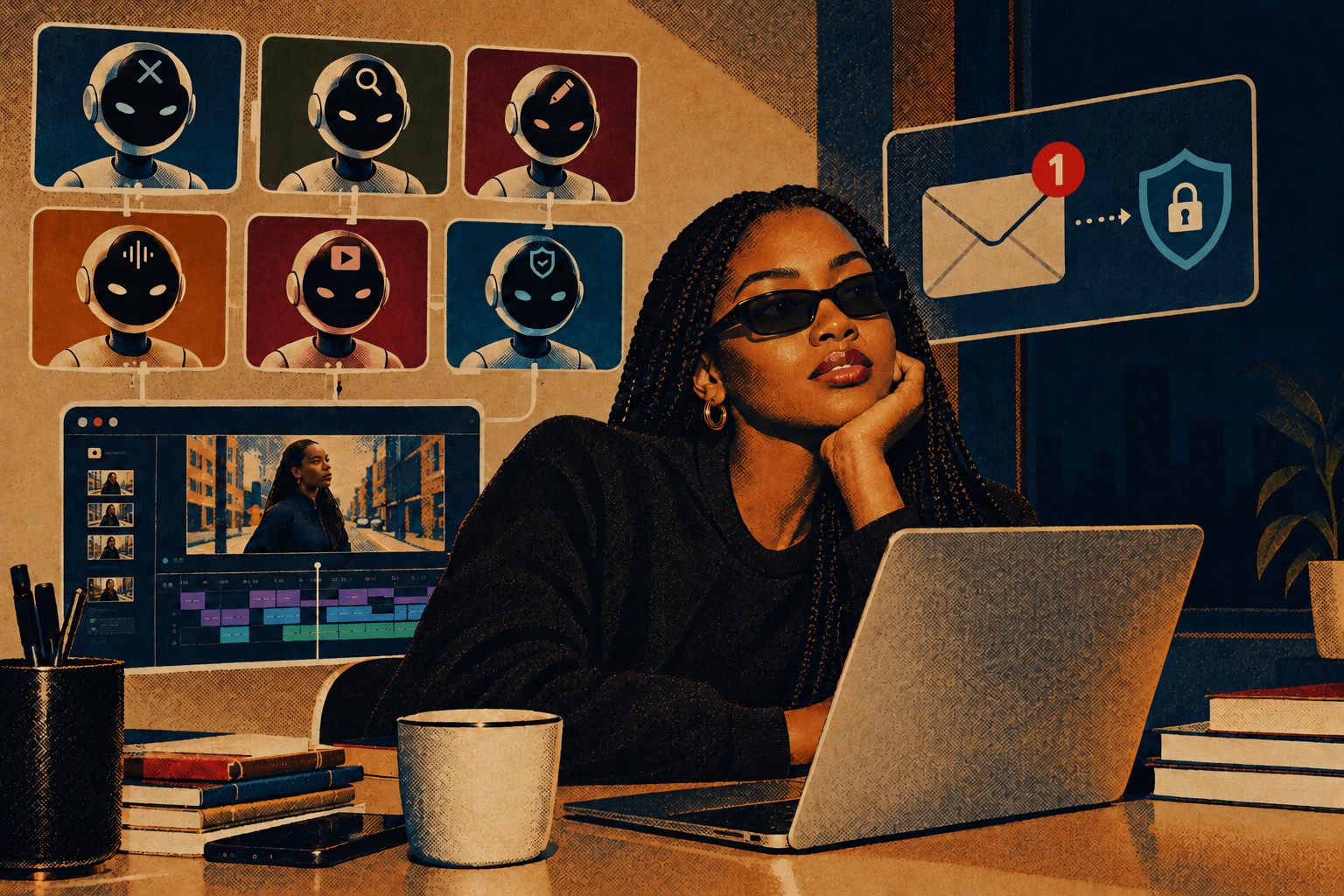
My content system is not one bot doing one big job. It is research, scripting, voiceover, clip-finding, quality checks and editing, each handled separately, each trained on its own narrow standard.
Splitting it that way makes the correction-and-save loop in the earlier sections actually tractable. A bot that only picks clips can be excellent at picking clips a lot faster than a bot trying to also write, voice and edit at the same time.
It also surfaces problems you would not expect. My clip-finder, Scout, has indexed around 2,000 clips by location, lighting, framing, outfit and action, because a bot cannot judge footage it cannot search. And I had to name my sound-effect files by what they actually are, because the bot cannot hear them. Every role exposes a different gap between what a human takes for granted and what the system needs spelled out.
Earn autonomy. Do not assume it.
A rule from my own bootcamp notes: do not automate a skill until you have done it manually, many times, and gotten really, really good at it first. If you cannot do the task well yourself, you have nothing to correct the AI against, and the training loop above has no standard to run on.
Here is roughly what that curve looks like for my content system specifically:
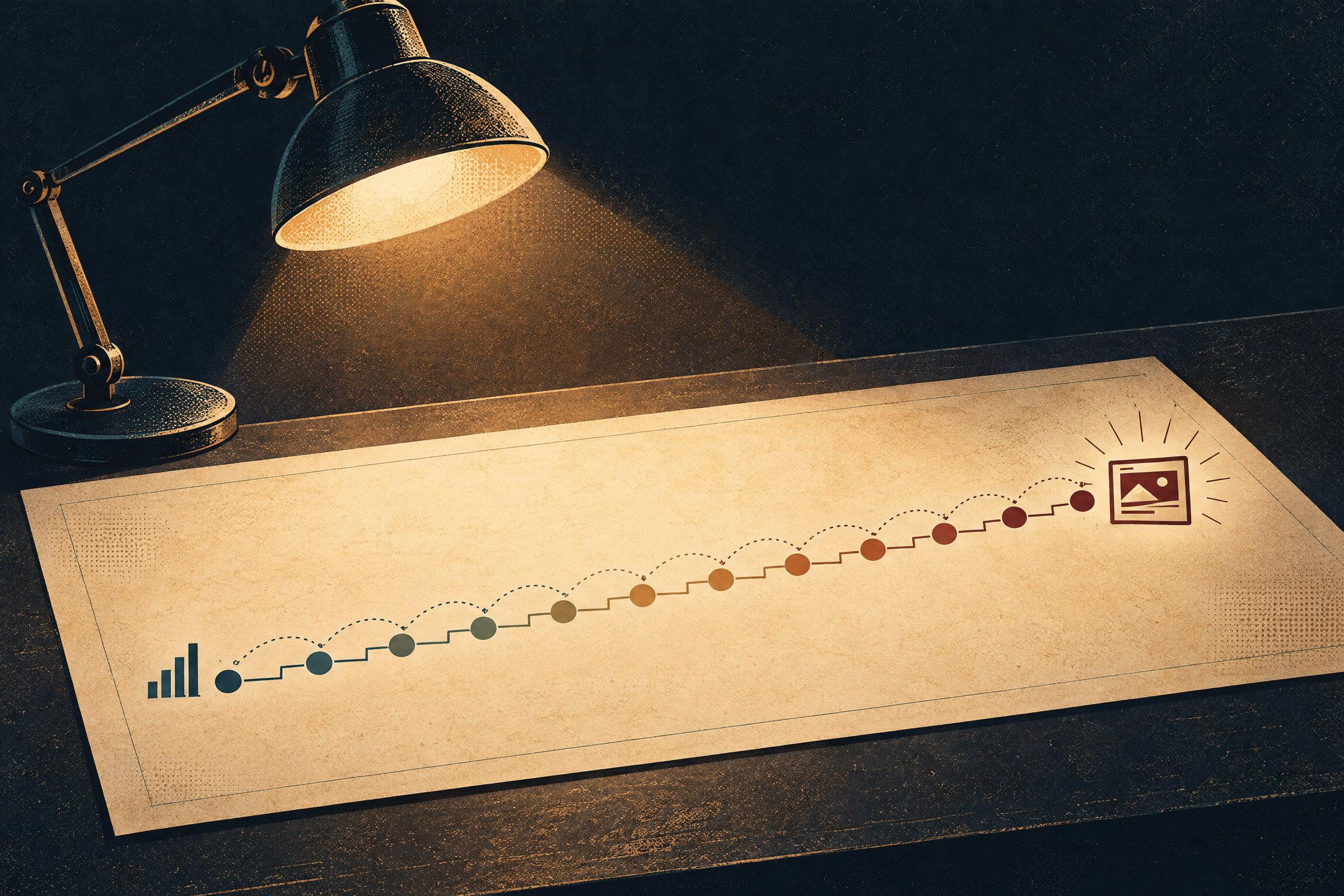
- About 10 hours in: the first real breakthrough, where output stops being obviously wrong.
- About 20 hours in: confident enough to send the output straight to brand deliverables.
- 35 to 40 hours in: a system that runs on its own without me checking every step.
That last number is not a weekend project. It is weeks of showing up and correcting the same categories of mistake until they stop happening.
And even once a system is "autonomous," I still check the actual output. I have had a bot tell me an edit was complete when it had not started. Confidence in a status update is not the same as proof in the finished file. Checking stays part of the process permanently, not just during training.
One thing this does not apply to
Not every task needs this. Editing and scripting are style-specific. There is a "my way" to get right, which is exactly why it takes training. Generic tasks like writing code or running a financial analysis often do not need custom style training the same way, because correctness there is not a matter of taste. Know which kind of task you are looking at before you spend 40 hours training something that just needed a clear one-time prompt.
The spine, if you want to copy it
Show it excellent work. Explain your standards, including the ones you have never had to say out loud before. Correct one thing at a time instead of rewriting the whole output. Save what it learned so the correction sticks. Test the result against the real thing, not against your memory of what you asked for. Only then let it run on its own, and keep checking anyway.
That order matters. Skip the saving step and you repeat the same corrections forever. Skip the testing step and autonomy arrives before the system has earned it. Do them in sequence and the two-day edit really does become a two-hour one.